Small Space, Big Adventure: How to Catify Your Home Without the Overwhelm
Most people think cats need a sprawling mansion to be happy, but that is a total myth. Your cat does not care about your square footage or the price of...

Oliver Chen
Cat Rescue Advocate

Small Space, Big Adventure: How to Catify Your Home Without the Overwhelm
Most people think cats need a sprawling mansion to be happy, but that is a total myth. Your cat does not care about your square footage or the price of your rent. They care about how much of the "airspace" they actually own. If you have ever felt guilty about keeping a cat in a small apartment, it is time to let that go.
Mastering Cat Care in a limited space is not about expensive renovations or turning your living room into a literal jungle. It is about smart, incremental changes that tap into their wild instincts. You do not need to be a master carpenter to make a difference. Simple additions like window perches for cats to create a "Cat TV" station or maximizing vertical space for cats can double their territory overnight.
In this guide, we are stripping away the "Pinterest-perfect" pressure. You will learn how to use interactive cat toys and puzzle feeders to keep their minds sharp while you are at work. We will
Why Your Cat’s Territory Is Bigger Than Your Floor Plan
You probably think your apartment is exactly 700 square feet. Your cat disagrees. To a feline, a room isn't just a flat surface with some furniture on it. It is a complex, three-dimensional map of climbing routes, escape paths, and high-altitude vantage points. While we live our lives on the carpet, cats are looking at the top of the fridge and the dusty crown molding as prime real estate.
This is the fundamental shift from simply owning a pet to sharing a habitat. It sounds a bit like a science experiment, but it is actually a much more respectful way to live. When you stop looking at your floor plan as a fixed boundary, the walls suddenly become opportunities. This is especially true for those of us in tight quarters. You don't need a mansion to give a cat a big life. You just need to stop thinking horizontally.
The reality is that catification often fails because we make it too complicated. We see elaborate wall-to-wall shelving units on Pinterest and feel defeated before we even buy a hammer. But expert Jackson Galaxy notes that it doesn't have to be a massive renovation. You can start with something as simple as a cozy piece of furniture placed by a sunny window. That single move creates a "destination" for your cat. It gives them a job, which is usually watching the neighborhood birds, and it expands their world without moving a single wall.
Vertical space is the great equalizer for renters and small-space dwellers. Using things like tension-pole cat trees or suction-cup window perches allows you to enrich your cat's life without losing your security deposit. It is about creating little wins. One shelf here, a scratcher there, and suddenly a cramped studio feels like a vast jungle gym to a cat.
Key insights:
- Territory is measured in volume, not square footage. A cat in a small room with vertical paths has more "room" than a cat in a large house with only the floor to walk on.
- Psychology beats construction every time. Starting with one small change, like a window perch, reduces owner overwhelm and provides immediate mental stimulation for the cat.
- Observation is your best tool. You have to balance the physical space with your cat’s specific personality. Some cats want to be "tree dwellers" high up, while others prefer being "bush dwellers" tucked away in low, cozy spots.
So, if you feel like your home is too small for a happy cat, look up. The space is already there. You just haven't claimed it for them yet.
The Psychology of Catification: Overcoming the Overwhelm
We’ve all seen those Instagram-famous catified homes. You know the ones - custom-built cedar bridges suspended from vaulted ceilings and hidden tunnels that look like they belong in a modern art museum. It’s beautiful, sure. But for most of us living in a standard apartment with a security deposit on the line, it’s also completely paralyzing. We get stuck in the "Pinterest-perfect" trap, thinking that if we can’t remodel our entire living room, there’s no point in trying at all.
Here is the truth: your cat doesn't care about the aesthetic of your floating shelves. They care about how those shelves make them feel.
Jackson Galaxy, the man who practically invented the term, often reminds overwhelmed owners that catification isn't a home renovation project. It's a communication tool. He suggests starting with a single "win" for the cat. This might be as simple as clearing off the top of a bookshelf or moving a sturdy chair next to a tall cabinet. When you stop looking at your home as a finished product and start seeing it as a series of vertical pathways, the stress starts to melt away.
The secret is to identify your cat’s "base camp." This is the heart of their territory where they feel most secure, usually wherever they sleep or eat. Instead of trying to flip your whole house, focus on expanding the utility of that one room. Use what you already have. Can you add a tall scratcher next to the sofa? Could a renter-friendly, non-permanent tension pole provide a way up to the top of the fridge? By focusing on these small, incremental changes, you’re not just decorating. You’re building confidence for both you and your cat.
Key insights:
- Perfection is the enemy of enrichment. Your cat prefers a cardboard box in the right spot over an expensive wall feature in a room they never visit.
- Vertical space is a legal loophole for small-space living. When you can't expand the floor plan, you must look up to provide the "territory" a cat instinctively craves.
- Success is found in the "win." One well-placed perch that your cat actually uses is worth more than a dozen decorative pieces they ignore.
The Power of a Sunny Window
If catification is a journey, the window perch is the gateway drug. It is the easiest, most high-impact change you can make for a bored indoor cat. Think of it as "Cat TV." For a predator, watching the rustle of leaves or the frantic movement of a squirrel provides vital mental stimulation that keeps their brain sharp and their anxiety low.
But it isn't just about the view. It's about the light. Cats have a higher body temperature than humans, and they spend a significant amount of energy maintaining it. A sunny window isn't just a place to look out; it’s a natural charging station.
When you’re choosing where to place furniture, look for those patches of natural light that move across your floor during the day. If you can’t drill holes for permanent shelves, use a sturdy, freestanding cat tree or even a simple bench placed directly under the window sill. This creates a destination. By providing a dedicated spot for visual enrichment, you often find that "problem behaviors" like nighttime zooming or destructive scratching start to fade. They aren't acting out because they’re "bad." They’re just looking for a channel for all that pent-up energy, and sometimes, a view of the neighborhood is the best medicine.
Now, once you've claimed the window, the next step is looking at how to connect that sunny spot to the rest of the room.
Most people hear the word catification and immediately picture a living room covered in expensive, wall-mounted bridges and industrial-sized scratching posts. It is intimidating. You might think you need a contractor and a massive budget just to keep your cat from getting bored, but that is simply not the case. The reality is that catification can begin with one simple, cozy piece of furniture placed strategically by a sunny window.
Think of a window perch as the gateway drug to better cat care. It is the easiest way to provide what experts call Cat TV. For a cat, a window is not just a source of light. It is a high-definition, interactive theater where birds, insects, and rustling leaves provide hours of mental stimulation. This kind of environmental enrichment is a massive tool for reducing anxiety, especially for indoor cats who might feel restless in a quiet apartment.
If you are a renter, this is your best friend. Instead of drilling holes for permanent shelves, you can use tension-mounted perches or even just a sturdy bookshelf cleared off to create a landing pad. The goal is to balance your home's layout with your cat's unique personality. Some cats want to be high up and hidden, while others just want to sprawl out in the direct heat. When you start small like this, the process stops feeling like a home renovation project and starts feeling like a series of little wins for both of you.
Key insights:
- Observation is a job. Cats are natural predators, and giving them a "perch" to watch the world allows them to satisfy their hunting instincts without ever leaving the couch.
- Small spaces have huge potential. You do not need more square footage to make a cat happy, you just need to utilize the vertical space near natural light sources.
- Overwhelm is the enemy of progress. Starting with a single window spot removes the psychological barrier of feeling like you have to change your entire home overnight.
So, before you go buying a dozen interactive toys, just look at your windows. Is there a way to make that view more accessible? Moving a single chair might be all it takes to change your cat's entire day.
Going Up: Why Vertical Space for Cats Changes Everything
Think about your cat’s world for a second. To them, your floor is a busy highway filled with legs, vacuum cleaners, and the occasional rogue sock. But look up. That empty space above your sofa? To a cat, that is prime real estate.
Cats are biologically hardwired to seek height because it serves as their scouting post and their sanctuary. In the wild, being up high means you can see a predator coming from a mile away while simultaneously spotting your next meal. In your living room, that translates to a sense of total environmental control. When a cat is perched on a high shelf, their confidence spikes. They aren't just sitting. They are surveying their kingdom.
This is the secret weapon for anyone living in a small apartment. You might be cramped for square footage, but your cat doesn’t care about the floor plan. They care about the cubic volume. By adding vertical layers, you effectively double or triple your cat's territory without having to pay a cent more in rent. It also does wonders for peace in the household. If you have two cats who occasionally bicker, vertical space acts as a pressure release valve. Instead of a tense face-off in a narrow hallway, one cat can simply move "up" to claim their own zip code.
As Jackson Galaxy often points out, catifying your home doesn't have to be a massive renovation. It can be as simple as clearing off a bookshelf or placing a cozy piece of furniture by a sunny window. Start small. Those little wins build a much happier environment for everyone involved.
The Renter's Guide to Damage-Free Enrichment
If you are renting, the idea of drilling holes into your walls for cat shelves probably makes your security deposit scream in agony. But you don't need a power drill to be a good cat parent. The market for renter-friendly cat gear has exploded recently because so many of us live in apartments.
Tension poles are the absolute heroes of this movement. These floor-to-ceiling structures stay in place using pressure, meaning you get a massive vertical climbing tree that leaves zero marks when you move out. You can also find incredible over-the-door climbers that turn a standard closet door into a multi-level playground.
Don't overlook the furniture you already own either. A "cat superhighway" can be built by simply rearranging what’s already there. If you line up a sturdy side table next to a dresser and clear a path to the top of the fridge, you’ve created a path. It’s about looking at your home through a feline lens. Does this piece of furniture lead somewhere? If the answer is yes, you're already halfway there.
Building the 'Superhighway': Flow and Exit Strategies
When you start mapping out your cat’s vertical path, there is one golden rule: never create a dead end. In a multi-cat home, a shelf with only one way up and one way down is a trap. If a more dominant cat decides to block the exit, the cat on the shelf is cornered. This leads to hissed arguments and swatted paws.
A true "superhighway" allows a cat to travel across the room without ever touching the floor, but it must have multiple on-ramps and off-ramps. Think of it like a loop. If they can jump from the shelf to a chair and then to the floor, they always feel safe.
Spacing is also a technical detail you can't ignore. For most healthy cats, placing shelves about 12 to 18 inches apart vertically is the sweet spot. You want them to hop comfortably, not perform a death-defying leap of faith. Also, try placing a vertical scratcher at the base of your climbing areas. Cats love to scratch when they transition from one activity to another, like moving from a nap on a high perch back down to the "human world" for dinner. It’s their way of marking the territory and saying,
You want to give your cat a vertical kingdom, but your lease says "no holes in the walls." It is a classic renter’s dilemma. Does your security deposit have to stand in the way of your cat’s happiness? Not at all. Catification doesn't require a power drill or a construction crew. As Jackson Galaxy often points out, the process can feel overwhelming, but it really doesn't have to be. You just have to start small. A simple, cozy perch by a sunny window is often the perfect first step to changing your cat's entire world.
Think about tension poles. These floor-to-ceiling towers use pressure to stay upright, giving your cat a literal tree to climb without a single screw. Over-the-door climbers are another genius hack for tight quarters. They turn a useless door into a multi-level playground in seconds. While wall-mounted shelving is the "gold standard" for some, freestanding vertical trees are the real MVP for renters because they are portable. They move when you move.
The secret is building a "cat superhighway" using what you already own. Line up a bookshelf with the top of the fridge. Clear off the dust from that sturdy armoire. By bridging these gaps, you create a path that lets your cat patrol the room from above. It is about seeing your furniture through their eyes.
Key insights:
- Verticality is a psychological need, not a luxury. Cats feel safer when they can survey their "territory" from a height, which reduces stress-related behaviors.
- Incremental changes beat massive overhauls. Adding one window perch this week is better than planning a complex wall system you'll never actually build.
- Existing furniture is an untapped resource. You don't always need new gear; you just need to rearrange what you have to create a continuous path.
So, look around your living room. Where is the "dead space" that your cat could be using right now?
Imagine your cat is cruising along a sleek new wall shelf, feeling like the king of the jungle, only to realize the path just stops. This is a disaster. In the world of "catification," a dead end is a trap. If you have more than one cat, a single-path shelf is basically a cliff where a bully can corner a victim. To keep the peace, every vertical path needs an "off-ramp." Think of it as a feline superhighway where traffic never stops moving.
The technical side is simpler than it looks. When you're spacing shelves, aim for a vertical gap of about 12 to 18 inches. You want your cat to hop gracefully, not launch themselves like an Olympic long-jumper. If the jump is too far, they’ll stop using the space. If it’s too close, it feels cramped.
Don't forget the "signposts" either. Placing scratchers at the start and end of these paths is a genius move. Cats have scent glands in their paws, so they use scratching to mark territory transitions. It’s like they’re checking into a hotel and claiming the room. As Jackson Galaxy often points out, you don't need a massive budget to start. A sturdy bookshelf placed next to a sunny window perch creates an instant, safe circuit. It’s about creating flow, not just furniture.
Key insights:
- Flow prevents feline friction. Providing multiple exits ensures that high-ranking cats can't trap others, which significantly reduces household stress and swatting matches.
- Scratching is a communication tool. By placing scratchers at transition points, you allow cats to leave "scent messages," which helps them feel more secure in their vertical territory.
- Small wins lead to big success. You don't need to renovate your entire living room today because a single well-placed perch by a window can be the perfect starting point for a larger system.
But what happens when you're dealing with a rental and can't drill holes in the walls? That's where the next level of creativity kicks in.
Bringing the Outdoors In: Catios and Greenery
Imagine your cat sitting by the window, tail twitching rhythmically as a sparrow lands on a nearby branch. To us, it’s just a view. To them, it’s "Cat TV" in high definition, complete with 4D scent cues and auditory thrills we can't even process. But there’s a tension here. We want our cats safe from traffic and predators, yet we hate seeing them bored, staring at the same four walls every day. This is where the magic of "bringing the outside in" happens. It isn't just about luxury; it’s about sensory health. Fresh air and the rustle of leaves provide a type of mental stimulation that no plastic toy can replicate.
Jackson Galaxy often points out that catifying your home shouldn’t feel like a massive, expensive renovation project. You don't need a sprawling backyard to give your cat a taste of the wild. Sometimes, the most effective enrichment starts with a single, cozy perch tucked into a sun-drenched corner. It’s about creating "little wins" for your cat’s confidence. By bridging the gap between the safety of your living room and the complexity of the outdoors, you’re not just decorating - you’re expanding their world.
Catio Design Ideas for Every Budget
You don't need to be a master carpenter to build a catio. If you’re an apartment dweller, a window-box catio is a total game-changer. These are essentially secure, mesh-enclosed balconies that fit into your window frame like an air conditioning unit. They give your cat a 180-degree view and a breeze without risking a fall or an escape. For those with a bit more square footage, converting a screened-in porch is the gold standard. It’s an instant multi-level playground.
The secret to a successful catio lies in the details of the build. You’ll want to look at "cat-fencing" or heavy-duty galvanized steel mesh rather than standard window screening, which a determined pair of claws can shred in seconds. Also, think about weatherproofing. Adding a small polycarbonate roof section allows your cat to enjoy a rainy afternoon without getting soaked. For renters, the trend is shifting toward modular, non-permanent kits that tension-fit into spaces, ensuring you get your security deposit back while your cat gets their sunshine fix.
The "Indoor Garden": Why Cat Grass Kits Are a Must
If your cat has ever treated your favorite spider plant like a salad bar, you know the struggle. Cats are instinctual grazers. In the wild, they eat grass to help move hairballs through their digestive tract or to settle an upset stomach. By providing a dedicated cat grass kit - usually a mix of wheat, oats, or rye - you’re giving them a safe outlet for this behavior. It’s a peace offering. You get to keep your decorative houseplants, and they get a fresh, crunchy snack that won't land them at the vet.
Setting up a feline garden is incredibly simple. You can use a rotating system: have one container growing on a high windowsill while your cat "harvests" another on the floor. This ensures a constant supply of tender green shoots. Beyond the physical benefits, there’s a psychological component to "green enrichment." The smell of damp soil and the texture of real plants ground a cat in their environment. It’s a small slice of nature that turns a sterile room into a living, breathing habitat.
Key insights:
- Sensory over aesthetics: A catio isn't just a cage; it's a sensory portal that allows a cat to experience wind, temperature shifts, and complex scents.
- Safety is a spectrum: Even if you can't build a full enclosure, a secure window perch with a sturdy screen offers significant mental health benefits.
Do you really need a thousand dollars and a massive backyard to give your cat a taste of the wild? Not even close. Most of us get paralyzed by those Pinterest-perfect enclosures that look like miniature Victorian mansions. But here is the truth: your cat does not care about the architecture. They care about the breeze, the smells, and the birds.
If you are renting a small apartment, you might feel like your options are zero. That is just not the case. Recent trends show a huge surge in renter-friendly "catification" because people are tired of choosing between their security deposit and their cat’s happiness. Think about a window-box catio. It is essentially a sturdy, mesh-enclosed perch that fits into your window frame just like an air conditioning unit. Jackson Galaxy often says that catifying your home should not feel like a burden. Starting with a single cozy spot by a sunny window is a massive win for a cat that spends all day indoors.
For homeowners, the strategy changes. You might already have a screened-in porch that is halfway to being a cat paradise. Instead of building something new, you can simply upgrade the materials. Standard fiberglass screening is flimsy. If a squirrel mocks your cat from the lawn, a determined set of claws will tear right through it. Swap that out for heavy-duty pet wire or galvanized hardware cloth. It is a weekend project that turns a human space into a shared sanctuary without breaking the bank.
Safety is the one area where you should never wing it. Beyond the mesh, you have to think about the elements. A simple polycarbonate roof panel is a lifesaver because it keeps the floor dry and prevents your cat from looking like a drowned rat after a summer drizzle. It is all about creating a space that fits your specific square footage and your cat’s unique personality.
Key insights:
- The biggest barrier to a happy cat is owner overwhelm. You do not need a construction crew when a single window perch can transform a cat's entire daily routine.
- Material durability is more important than total square footage. A small, secure box made of vinyl-coated wire is infinitely better than a large, flimsy enclosure that puts your pet at risk.
- Verticality is the great equalizer for small spaces. Adding a few weather-resistant shelves inside a catio allows your cat to climb and feel safe, even if the floor space is tiny.
So, once you have the outdoor space figured out, you might start looking back inside at those bare walls. That is where the real indoor adventure begins.
Ever caught your cat staring intensely at your favorite Monstera with a hungry glint in their eye? It’s a nerve-wracking moment for any plant parent. Cats have a deep, primal urge to graze that doesn't just disappear because they live indoors. This is where a simple cat grass kit becomes a total game changer for your peace of mind.
Think of it as a peace treaty for your living room. By providing a safe, fiber-rich snack, you’re effectively diverting them away from those toxic houseplants that look so tempting. Jackson Galaxy often suggests that "catifying" your home shouldn't feel like a massive renovation project. He's right. You can start small. A lush patch of oats or wheatgrass tucked into one of your window perches for cats is a perfect first step. It’s functional greenery.
If you want to get fancy, try a DIY rotation. Keep one tray growing while the other is being harvested by your feline roommate. This keeps the supply fresh and your cat’s digestion moving smoothly. It’s a tiny addition that solves a big problem.
Key insights:
- It acts as a biological distraction that protects your expensive (and potentially dangerous) decorative plants.
- A rotating growth cycle ensures your cat never runs out of fresh enrichment.
- Starting with a small garden helps owners overcome the "overwhelm" of home modification by focusing on one simple, high-impact change.
This simple addition proves you don't need a massive budget to improve cat care in a tiny apartment. So, what’s the next step for your vertical empire?
Work for Your Kibble: The Logic Behind Puzzle Feeders
Imagine if every meal you ever ate was delivered via a giant, bottomless buffet that never moved and required zero effort. At first, it sounds like a dream. But after a week, you would probably be bored out of your mind. For a cat, the traditional "free-feeding" bowl is exactly that: a boring, static pile of calories that ignores every predatory instinct they possess.
Cats are hardwired for the hunt-catch-kill-eat cycle. In the wild, they don't just stumble upon a pile of kibble in a clearing. They work for it. When we take away the "work" part of that equation, we often end up with behavioral issues like "the midnight zoomies" or destructive scratching. This is where puzzle feeders become a game-changer, especially in small apartments where there isn't much room for a full-blown kitty gym.
As Jackson Galaxy often points out, catifying your home doesn't have to be a massive construction project involving wall-mounted bridges. It can start with small, incremental changes. A puzzle feeder is one of those "little wins" that fits perfectly into a small space because it uses the footprint of a regular bowl but provides ten times the mental stimulation. By making your cat "hunt" for their dry food by batting a ball or reaching into a plastic maze, you are effectively turning mealtime into a workout for their brain.
Key insights:
- The bowl is a missed opportunity for enrichment because it treats food as a commodity rather than a reward for physical and mental effort.
- Small-space living demands multi-functional tools, and a puzzle feeder acts as both a feeding station and a source of entertainment without taking up extra square footage.
- Behavioral problems often stem from "stored energy" that has nowhere to go, so making a cat work for kibble burns that fuel before it turns into mischief.
But what about the hours between meals? That's where your choice of toys comes into play.
Interactive Toys That Actually Keep Their Attention
Most cat owners are guilty of having a "toy graveyard." You know the one: a basket full of plush mice and crinkle balls that your cat hasn't touched in months. The problem isn't the cat; it's the lack of novelty. To a cat, a toy that sits on the floor 24/7 is basically just part of the furniture. It’s "dead prey," and dead prey isn't interesting to a hunter.
The secret to success is interactive engagement. This means you need to be the one bringing the toy to life. Before every meal, try to spend ten minutes with a wand toy or a feather teaser. You want to mimic the movements of a bird or a mouse, letting your cat stalk, pounce, and eventually "kill" the toy. This ritual satisfies their biological drive and makes the subsequent meal feel earned.
To keep things fresh, try rotating your toy stock. Keep only two or three toys out at a time and hide the rest in a drawer. When you swap them out a few days later, your cat will react like they’ve just discovered a brand new species of prey in the middle of your living room. It’s a simple trick that keeps their environment feeling expansive and exciting, even if you're living in a studio apartment.
Key insights:
- Passive toys are objects, but interactive play is an event that strengthens the bond between you and your cat while providing necessary cardio.
- Novelty is a psychological requirement for cats, so rotating toys prevents "habit
Ever wonder why your cat ignores that expensive battery-operated feather but goes crazy for a crumpled receipt? It’s because cats aren’t looking for things. They’re looking for a hunt. Most toys we buy are passive, meaning they just
Matching the Space to the Soul: Customizing for Your Cat
Does your cat prefer the view from the top of the fridge, or are they more likely to be found lurking in the dark shadows under your sofa? This isn't just a random quirk. It’s a fundamental part of their identity. In the world of feline behavior, we generally see two types: "Tree Dwellers" who crave height and "Bush Dwellers" who find safety in low-to-the-ground, enclosed spaces. If you spend a fortune on wall-mounted shelves for a cat who lives for under-bed dust bunnies, you’re both going to end up frustrated.
The biggest hurdle to catifying a home isn’t the cost or the floor plan. It’s the mental block we have as owners. We often look at those elaborate, floor-to-ceiling wooden "cat highways" on Pinterest and think, I can’t do that in my 600-square-foot apartment. But you don’t have to. Jackson Galaxy often points out that catification can be incredibly simple. A cozy chair moved to a sunny window is a massive win for a cat’s mental health. It’s about the quality of the "real estate," not the square footage.
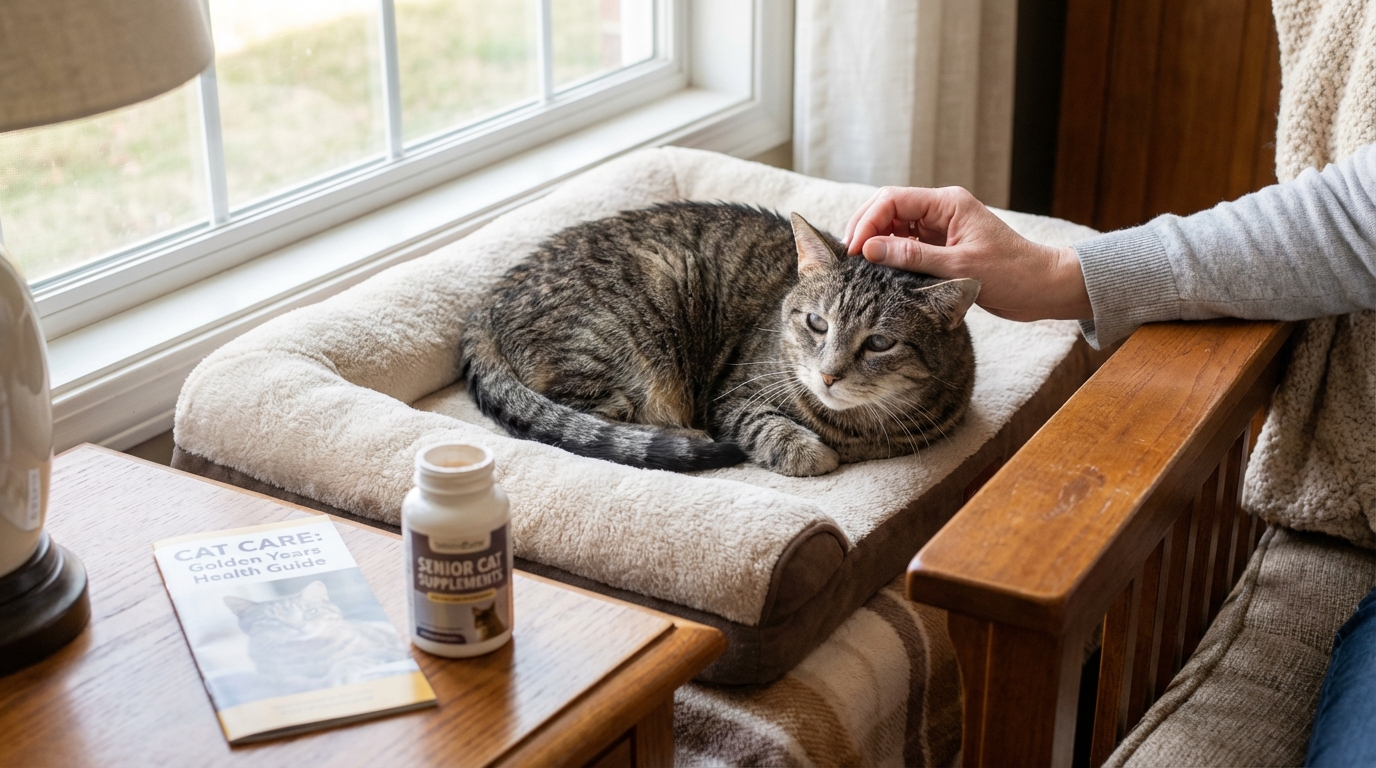
Think about the age of your roommate, too. A high-energy kitten needs verticality to burn off those 3 AM zoomies; they want to climb, leap, and conquer. But your senior cat? They still want to see the birds, but their joints might protest at a four-foot jump. For them, enrichment looks like low-impact steps, heated window perches, and scratchers that don't require a leap of faith.
The good news for those of us who care about our security deposits - and our interior design - is that the industry has finally caught up. We’re seeing a huge shift toward renter-friendly, sleek solutions. You can now find tension-pole trees that don't require drilling or suction-cup perches that hold steady against a window. You can respect your cat’s soul without making your living room look like a daycare center.
Key insights:
- The "Personality Map" beats the floor plan. Observe where your cat naturally gravitates before buying anything; buying for the cat you have, not the cat you imagine, saves money and space.
- Verticality is a small-space "cheat code." In a tiny apartment, you don't have floor space to spare, but your walls are a blank canvas for feline territory.
- Incremental changes prevent owner burnout. You don't need a weekend renovation. One new window perch or a strategically placed scratcher is enough to change the entire energy of a room.
But wait, once you've sorted the layout, how do you keep them engaged when the "new furniture smell" wears off? That’s where the real adventure begins.
Frequently Asked Questions
How do I start catifying if I have zero DIY skills?
You really do not need to be a master carpenter or own a power drill to make your cat happy. The biggest hurdle for most people is just feeling overwhelmed by those massive, wall-to-wall cat shelf setups you see on Instagram.
Instead, start small. Jackson Galaxy actually suggests that something as simple as moving a sturdy piece of furniture next to a sunny window is the perfect first step. You are basically looking for ways to give your cat a "vertical" view of their kingdom. If you can unbox a pre-built cat tree or set up a tall scratching post, you are already catifying. For renters who cannot drill into walls, look for tension-pole furniture that reaches the ceiling. It gives your cat that high-up security they crave without you needing to touch a single tool or worry about your security deposit.
Are window perches safe for larger or heavier cats?
They can be very safe, but you have to look closely at the weight ratings and the "thud" factor. Most suction-cup perches claim to hold up to 40 pounds, which seems like plenty for a 15-pound cat. But here is the catch. When a heavy cat leaps onto a perch, they hit it with much more force than their resting weight.
If you have a big Maine Coon or a chunky senior cat, I recommend skipping the cheapest options. Look for perches with reinforced metal frames or ones that actually brace against the wall for extra leverage. Also, make sure your windows are squeaky clean before you stick anything to them. Even a tiny bit of dust can cause the suction to fail over time. If you are still nervous about it, just place a soft ottoman or a chair underneath the perch. It gives the cat a "step" and gives you some peace of mind while they test out their new favorite bird-watching spot.
Does catification work in a very small apartment?
It actually works better in small spaces because it effectively doubles your cat's living area. When you live in a studio, your cat is stuck on the floor with you. By adding vertical space like shelves or top-of-fridge retreats, you are opening up a whole new floor plan for them.
The trick is to use multi-functional furniture. You might get a side table that doubles as a hidden litter box or a bookshelf with a clear path for the cat to reach the top. Small-space enrichment is all about thinking upward rather than outward. Even a single cat grass kit on a windowsill can provide a huge mental boost for an indoor cat who never gets to go outside. It is less about the square footage and more about how many interesting "levels" your cat can explore.
How much vertical space does a cat actually need in a studio apartment?
Your cat doesn't need a massive mansion, but they do need a way to get off the floor. In a small studio, vertical space is basically a second floor for your pet. Think of it as expanding their territory without adding a cent to your rent.
Here is the thing. Most owners get overwhelmed because they think they need a custom-built wall of shelves. You don't. You can start with something as simple as a sturdy bookshelf or a cozy window perch. Experts like Jackson Galaxy often point out that even one piece of furniture by a sunny window can change a cat's entire mood. It gives them a lookout point. If you can create a path where they can jump from a desk to a shelf to the top of the fridge, you've won. That is what we call a cat superhighway. It makes a tiny apartment feel huge to a cat.
Can I build a catio if I live in a rental unit?
You absolutely can, but you have to be smart about it. Since you probably want your security deposit back, you should skip the permanent construction and look for modular or tension-based designs.
There is a huge trend right now for renter-friendly catification. You can find window-mounted catios that sit in the frame just like an air conditioner. They give your cat fresh air and a view of the birds without you ever drilling a single hole in the siding. If you have a small balcony, a pop-up mesh tent or a catio-in-a-box works wonders. Just make sure to check your lease first. Most landlords are fine with temporary setups that don't cause damage, especially if you show them how it is secured. It is all about giving them that outdoor enrichment while keeping things totally reversible.
What are the best ways to keep a cat entertained in a tiny home?
Living in a small space means you have to get creative with how your cat spends their energy. When you lack square footage, you have to rely on mental stimulation. Interactive cat toys and puzzle feeders are your best friends here. Instead of just putting a bowl of food down, make them work for it. It mimics the hunt.
Also, don't underestimate the power of a simple cat grass kit. It brings a little bit of the outdoors inside and gives them something safe to chew on. You can also rotate their toys so they don't get bored. If they only see a specific feather wand once a week, it stays exciting. Small spaces can feel big if the environment is always changing in little ways. Focus on those small wins and your cat will be perfectly happy.
What if my cat ignores the expensive furniture I just bought?
It is incredibly frustrating when you spend a week’s pay on a designer cat tree only for your cat to sleep in the shipping box. Don't take it personally. Cats are territorial skeptics. They often ignore new items because the furniture doesn't smell like them yet or it’s simply in the wrong spot.
Here is the thing: location is everything in a cat’s world. Jackson Galaxy often points out that catification doesn't have to be a massive, overwhelming renovation. Sometimes, just moving that ignored perch next to a sunny window changes everything. It turns a static object into a prime lookout spot. If you’re in a small apartment, try to think about vertical space. If the furniture feels unstable or is tucked in a high-traffic hallway where they feel vulnerable, they won't use it. Try rubbing a little catnip on the fabric or placing a worn t-shirt of yours on it to make it smell like "home."
Is cat grass actually necessary for indoor cats?
Strictly speaking, your cat won't starve without it, but it is a massive boost for their digestive health. Indoor cats spend a huge chunk of their day grooming, which leads to the inevitable and messy hairball situation. Cat grass acts as a natural fiber source that helps move things through their system more smoothly.
Think of a cat grass kit as a simple form of environmental enrichment. It’s an easy way to bring the outdoors inside without the risks of pesticides or parasites found in your backyard lawn. It also serves a double purpose. If you have a cat who loves munching on your expensive (and potentially toxic) houseplants, providing a "legal" salad bar can save your greenery. It is a cheap, effective way to satisfy their natural grazing instincts while keeping them out of trouble.
How can I make my small apartment better for my cat without losing my security deposit?
You don't need to drill twenty holes in your walls to make your cat happy. The current trend in cat care is all about renter-friendly solutions that maximize vertical space without permanent damage. Look for tension-pole cat trees that reach from floor to ceiling or window perches that use heavy-duty suction cups. These allow your cat to climb and observe their kingdom from above, which is vital for their confidence.
The goal is to find a balance between your floor plan and your cat’s specific personality. Some cats are "bush dwellers" who want low, cozy caves, while others are "tree dwellers" who won't be happy until they are eye-level with the fridge. Start small with a single perch or a few interactive toys and puzzle feeders. These small wins reduce owner overwhelm and keep your cat mentally sharp. You'll find that even in a tiny studio, adding a bit of vertical territory makes the space feel twice as large to a cat.
How do I introduce puzzle feeders to a cat used to a bowl?
The biggest mistake you can make is taking the bowl away cold turkey. If your cat has spent years getting "free" meals, suddenly making them work for it can cause a lot of frustration. Start by placing the puzzle feeder right next to their regular bowl. Put a few high-value treats in the easiest part of the puzzle so they learn that this new object equals a reward.
Once they are comfortably interacting with the toy, you can start putting a small portion of their actual meal in it. Keep the difficulty level at the absolute easiest setting. You want your cat to feel like a winner. As they get the hang of it, gradually increase the amount of food in the puzzle and decrease what is in the bowl. It is all about building their confidence so they do not just give up and stare at you until you cave.
I want to catify my home but I am totally overwhelmed. Where do I even start?
It is easy to look at professional catio designs and think you need a construction crew and a massive budget. You really do not. Expert Jackson Galaxy suggests starting with one small, cozy piece of furniture placed right by a sunny window. This creates an immediate "win" for your cat without you needing to pick up a power drill.
Think of catification as a process of adding layers to your home rather than a total renovation. A simple window perch or a tall scratching post can change the entire dynamic of a room for a cat. Once you see them using that first spot, you will have a better idea of where they like to hang out. This helps you decide where to put the next shelf or bed.
Can I still provide vertical space if I live in a tiny apartment or a rental?
You absolutely can, and honestly, vertical space is the secret weapon for small-space living. When you do not have much floor room, you have to look up. If you are renting and cannot drill holes for shelves, look for "no-drill" solutions like tension-pole cat trees that wedge between the floor and ceiling.
Another great trick is to simply clear off the top of a sturdy bookshelf or a dresser. Add a non-slip mat or a small bed to the top, and suddenly you have created a high-altitude lookout. This expands your cat's territory without taking up a single extra inch of your living space. It makes a cramped apartment feel much larger to a cat because they can navigate the room without ever touching the floor.
Is it worth getting a cat grass kit if my cat never goes outside?
Yes, it really is. Cats that live strictly indoors often miss out on the different textures and smells of the natural world. A cat grass kit is a safe way to bring a bit of the "outdoors" inside without the risk of pesticides or parasites from the backyard.
Beyond just being a snack, it serves as environmental enrichment. It gives them something to nibble on that is not your expensive houseplants. Many owners find that providing a dedicated patch of greens helps settle a bored cat. It is a cheap and easy way to add a sensory layer to their daily routine. Just
Conclusion
So, where does this leave you and your feline roommate?
Catification often sounds like a massive weekend project involving power tools and expensive cedar. But really, it is just about looking at your living room through a pair of slit pupils. We have seen how a single window perch for cats can turn a boring afternoon into a high-stakes bird-watching marathon. Or how adding vertical space for cats transforms a cramped hallway into a high-speed transit line. It is not about the square footage on your lease. It is about the "air rights" your cat claims.
When you bridge the gap between their wild instincts and your modern decor, something shifts. You are not just a person who provides kibble anymore. You become the architect of their happiness. Whether you are setting up a simple cat grass kit or sketching out elaborate catio design ideas, you are telling your cat that this space belongs to them too. This kind of thoughtful cat care pays off in fewer scratched sofas and a much more confident pet.
Do not get
About the author
Oliver Chen
Cat Rescue Advocate
Founder of a no-kill rescue shelter and passionate advocate for feline welfare and responsible cat adoption.
Comments(3)

Emma Wilson
2 days agoThis article perfectly captures the essence of the Amalfi Coast. I visited last summer and these hidden coves were absolutely magical!

John Martinez
1 day agoGreat tips! Do you have any recommendations for budget-friendly accommodations in the area?

Sarah Chen
12 hours agoThe food recommendations were spot on. That family-run restaurant in Praiano is incredible!