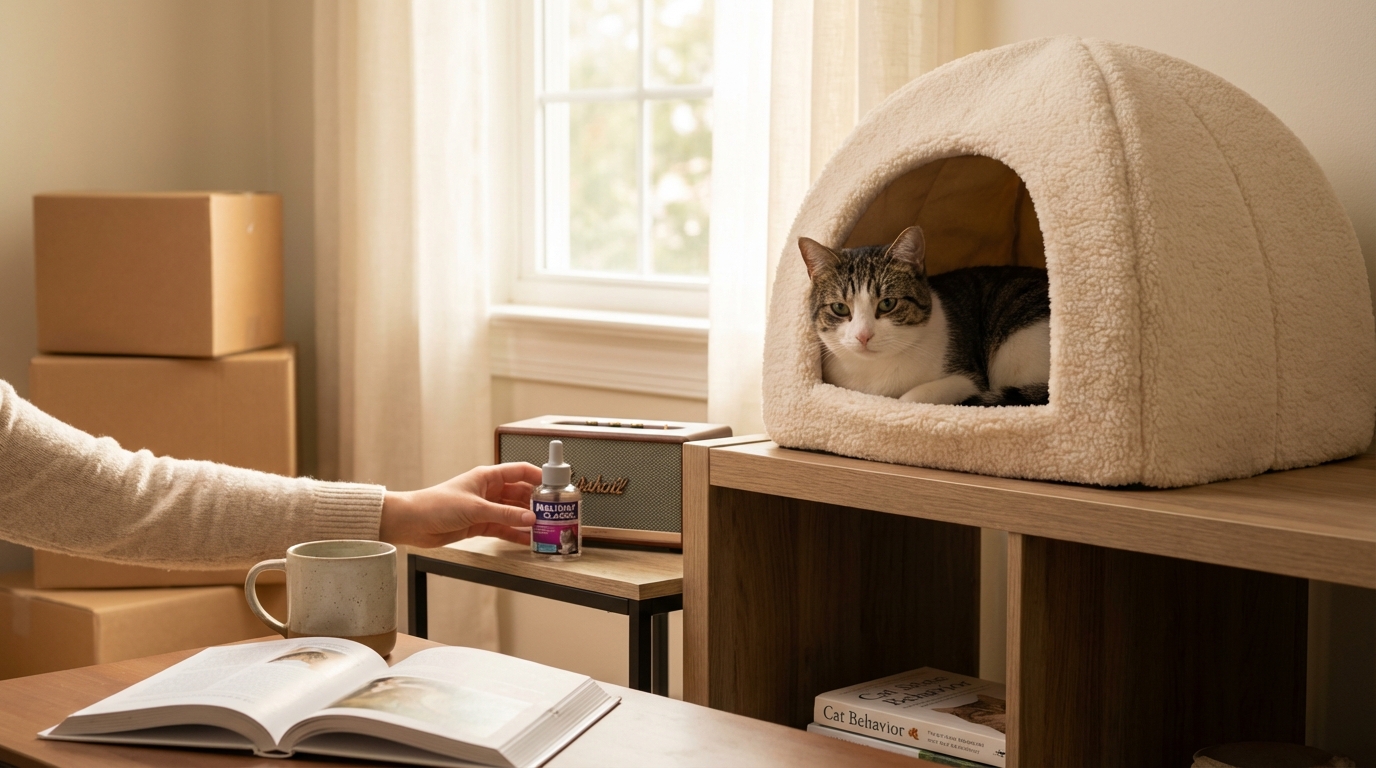
Your Cat's Golden Years: How to Spot and Manage Senior Health Changes
Your cat isn't just a pet. They are a constant, purring presence that has likely seen you through years of life's ups and downs. But lately, you might have

Dr. Emily Hart
Veterinarian, DVM
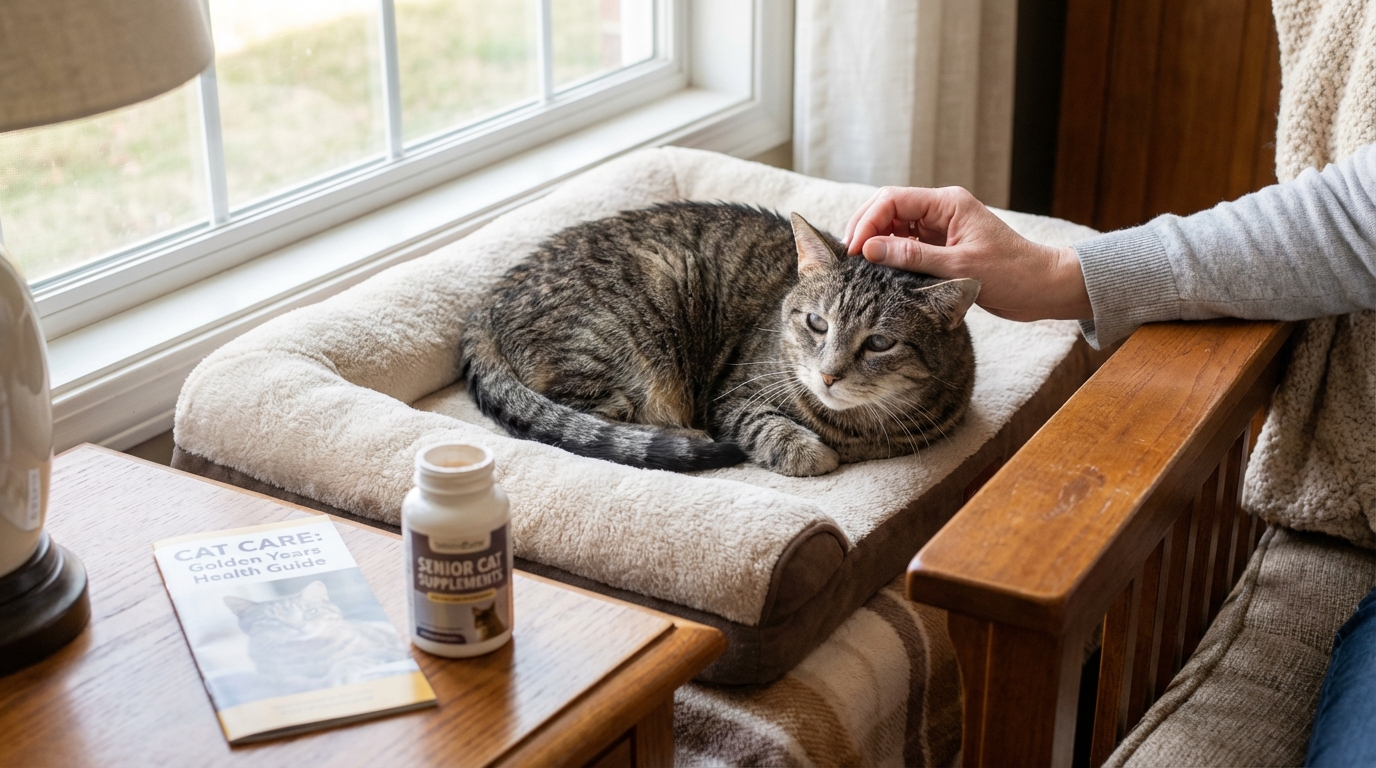
Your Cat's Golden Years: How to Spot and Manage Senior Health Changes
Your cat isn't just a pet. They are a constant, purring presence that has likely seen you through years of life's ups and downs. But lately, you might have
The Golden Years: Why Senior Cat Care Is More Than Just 'Slowing Down'
You notice your cat isn't jumping onto the high kitchen counter anymore. You tell yourself they’re just "mellowing out" with age, but is that really the whole story? Aging is inevitable, sure, but living in discomfort shouldn't be the default setting for our feline friends. We often mistake chronic pain for a simple loss of energy.
Here’s the thing: the old "seven years for every human year" rule is a total myth. According to the Cornell Feline Health Center, the math is much more front-loaded. A one-year-old cat is already 16 in human terms. By the time they hit 15, they’ve officially reached "geriatric" status, which is roughly equivalent to a 73-year-old person. If your 73-year-old grandfather suddenly stopped climbing stairs or lost five pounds in a month, you wouldn't just call it "old age." You’d be at the doctor’s office immediately.
The reality is that cats are biological masters of disguise. Evolution taught them that showing weakness makes them prey, so they mask their pain until it becomes unbearable. This stoicism is exactly why routine checkups every six months are so vital. When you wait for a cat to "act sick," the disease has often been progressing for months.
Key insights:
- Stoicism is a survival trait, not a lack of pain. Because cats hide illness so well, your eyes can deceive you. Professional diagnostics like bloodwork are often the only way to catch issues like hyperthyroidism or kidney disease early.
- Weight loss is the ultimate red flag. In the world of senior cats, there is no such thing as "healthy" weight loss. It is almost always the first sign of a serious underlying condition.
- Environment is medicine. Sometimes the best care isn't a pill, but a ramp to the bed or a heated cushion to soothe arthritic joints.
So, how do we bridge the gap between "getting older" and "staying comfortable"? It starts with learning to read the subtle shifts in their behavior before they become emergencies.
Understanding the Feline Age Gap: Is Your 10-Year-Old Actually 50?
Ever looked at your cat sprawled across the sofa and wondered what they would look like with a retirement fund? We often treat our ten-year-old companions like they are still in their prime. But if we are being honest, that prime shifted years ago. The reality is a bit of a wake-up call. According to the Cornell Feline Health Center, a ten-year-old cat is actually pushing 53 in human terms. That is a massive perspective shift. It is the difference between a weekend hiker and someone looking for the nearest elevator.
Veterinary experts now draw a hard line between
The Math of Aging: From Kittens to Centenarians
We’ve all heard the old rule that one cat year equals seven human years. It’s a simple bit of math, but it’s actually wrong. According to the Cornell Feline Health Center, feline aging isn't a straight line. Think of it more like a sprint that turns into a steady jog. A one-year-old cat is already a moody teenager, roughly 16 in human terms. By their second birthday? They’ve hit 21. They’ve essentially gone from infancy to legal adulthood in just twenty-four months.
After that initial burst, things settle down. Each calendar year adds about four human years to their biological clock. This means by the time your cat hits ten, they are effectively 53. At fifteen, they’ve reached 73 and officially entered what vets call the "geriatric" phase.
This math matters because cats are masters of disguise. They won't tell you when they feel like a 70-year-old with creaky joints. Because they hide pain so well, we have to look for the red flags ourselves. Sudden weight loss is the big one. It’s often the first whisper of something like kidney disease or hyperthyroidism.
Key insights:
- The 21-year leap: Your cat hits adulthood much faster than you think, reaching the human equivalent of 21 by their second birthday.
- The "Senior" vs. "Geriatric" divide: Cats are seniors from ages 11 to 14, but they officially become geriatric once they cross the 15-year mark.
- Invisible symptoms: Because cats instinctively hide illness, your eyes might deceive you, making regular bloodwork more reliable than just watching their behavior.
Now that we understand how fast the clock is ticking, we need to talk about the physical changes you can't see on a calendar.
The Silent Master of Disguise: Why Your Cat Won't Tell You They're in Pain
Ever notice how your cat seems perfectly fine until, suddenly, they aren't? It is not just bad luck. It is biological programming. In the wild, a cat that shows weakness is a target for predators. Even though your living room is perfectly safe, your cat still carries the ancient instinct to mask every ache, limp, or internal struggle. They are experts at pretending everything is normal right up until a condition becomes a crisis. This "silent master of disguise" act is why so many owners are blindsided by a diagnosis that seems to come out of nowhere.
The reality is that by the time you actually see your cat acting sick, the disease has likely been progressing for months. According to the Cornell Feline Health Center, the math of aging is much faster than we realize. A one-year-old cat is already like a sixteen-year-old human. By age ten, they are fifty-three. Once they hit fifteen, they are effectively seventy-three years old. When you look at it that way, you realize that your "middle-aged" cat is actually a senior citizen who might be dealing with more than just a little slowing down.
The Case for Bi-Annual Vet Visits
Six months might feel like a short window to us, but for a senior cat, it is a significant chunk of their life. Think of it this way: skipping one annual exam for a fifteen-year-old cat is like a seventy-year-old human avoiding a doctor for four years. A lot can break down in that time. This is why the modern veterinary standard has shifted toward checkups every six months. It is not about the vet wanting more appointments. It is about catching the invisible.
During these visits, the focus shifts from basic vaccines to deep-dive diagnostics. We are looking for the "big three" of senior feline health: Chronic Kidney Disease (CKD), hyperthyroidism, and high blood pressure. These conditions often don't show outward signs until they have done real damage. A simple blood panel or a quick blood pressure cuff can catch a benign thyroid tumor or failing kidneys while they are still manageable. As the Animal Clinic of Council Bluffs puts it, aging is inevitable, but discomfort doesn't have to be. Early detection is the only way to keep that promise.
Why Weight Loss Is the Most Important Number on the Scale
If you only track one thing as your cat ages, make it their weight. Weight loss is the ultimate "universal red flag" in feline medicine. It is the common thread between kidney disease, diabetes, and hyperthyroidism. If your cat is eating more than ever but still losing weight, that is a classic sign of hyperthyroidism, which is usually caused by a benign tumor. On the flip side, if they stop eating because of dental pain, they risk a life
Did you know a 15-year-old cat is roughly 73 in human years? It is a staggering comparison. Because our feline friends age about four times faster than we do after they reach adulthood, an annual checkup is essentially like a human going to the doctor once every four or five years. That is a massive gap.
Time moves differently for a senior cat. While we see a few months on a calendar, their bodies experience the equivalent of nearly two years of physiological aging in that same window. It is a fast-forward button we cannot stop. This is why the old "once a year" rule just does not cut it anymore once a cat hits that 11-to-14-year senior window.
Cats are also masters of the poker face. They are biologically hardwired to hide discomfort because, in the wild, showing weakness makes you a target. This survival instinct is great for the jungle but terrible for a living room. By the time you notice your cat is losing weight or acting "grumpy," a condition like hyperthyroidism or chronic kidney disease has often been simmering for months.
Bi-annual visits allow us to look under the hood before the engine starts smoking. We use diagnostics like kidney panels and thyroid checks to find what the cat is hiding. Even a simple blood pressure check is vital. High blood pressure is a silent thief that can cause sudden, irreversible blindness if it goes unnoticed.
Key insights:
- The aging gap is wider than you think. A six-month gap between exams represents a significant portion of a senior cat's life cycle and health status.
- Diagnostic data beats owner observation. Because cats mask pain so effectively, bloodwork often reveals life-threatening issues long before the cat shows a single outward symptom.
- Weight loss is the ultimate red flag. Whether it is diabetes or kidney issues, dropping pounds is rarely "just old age" and always warrants an immediate professional look.
It is about catching the quiet changes before they become loud, expensive, and painful problems. Once we have the data from these exams, we can start looking
You might think your cat is just "slimming down" as they get older, but in the feline world, weight loss is rarely just a natural part of aging. It’s actually the most significant red flag we have. When a cat hits 10 years old - roughly 53 in human years - their body begins a complex shift. Sudden drops in weight are the common thread between the "big three" of senior feline health: Chronic Kidney Disease, Diabetes, and Hyperthyroidism.
The tricky part? Cats are evolutionarily programmed to hide weakness. They won't tell you they feel off. This is especially dangerous for long-haired breeds like Maine Coons or Persians because their fluff acts like a physical smoke screen. You might look at your cat every day and think they look fine, while underneath that coat, their muscle mass is vanishing.
Try the "rib check" tonight. Run your hands firmly along their sides. You should feel the ribs with a slight padding, not sharp, bony ridges. If they feel like a skeleton wearing a heavy sweater, you need a vet appointment. By the time a cat reaches 15 - the geriatric stage - losing just a few ounces is the physiological equivalent of a human losing ten pounds in a single week.
Key insights:
- The "Fluff Factor" is a health hazard. Long hair hides muscle wasting, making physical touch more reliable than sight for detecting early disease.
- Weight loss is a universal alarm. Whether it’s a thyroid tumor or failing kidneys, the scale usually notices the problem before the owner does.
- Aging isn't a disease. While a 15-year-old cat is like a 73-year-old human, they shouldn't just waste away; unintended weight loss always warrants an investigation.
So, next time you’re petting your senior friend, don't just scratch their ears - feel for their frame. It might be the most important physical exam they ever get.
Managing Mobility: Helping Your Cat Navigate Arthritis and Joint Pain
Have you noticed your cat spending more time on the floor and less time on the bookshelf? It is easy to write this off as "slowing down" or just a natural part of getting older. We often call it laziness. But the reality is usually much more uncomfortable. Cats are masters of disguise when it comes to pain. In the wild, showing weakness makes you a target, so your house cat has evolved to suffer in silence. What looks like a peaceful nap is often a strategic choice to avoid the sharp sting of an inflamed joint.
Think about the math for a second. According to the Cornell Feline Health Center, a 10-year-old cat is roughly equivalent to a 53-year-old human. By the time they hit 15, they are functionally 73. If you wouldn't expect a 73-year-old to leap from the floor to the top of a refrigerator, you shouldn't expect it from your geriatric cat either. Arthritis isn't just "old age." It is a chronic inflammatory condition that changes how they experience their world.
Because they hide it so well, you have to look for the subtle clues. Maybe they hesitate before jumping. Perhaps they have started matting on their lower back because it hurts to twist around and groom. These are the red flags. The Animal Clinic of Council Bluffs puts it perfectly: aging is inevitable, but discomfort doesn't have to be. Managing this stage of life is about shifting your perspective from "my cat is fine" to "how can I make this easier?"
Creating a Low-Impact Home with Orthopedic Cat Beds and Ramps
If you want to improve your cat's life overnight, look at where they sleep. Most cat beds are just fluffy pillows, but an aging skeleton needs more than fluff. Orthopedic cat beds use high-density memory foam that supports the joints rather than letting them sink through to the hard floor. It is the difference between sleeping on a thin camping mat and a high-end mattress. This isn't a luxury. It is a tool to prevent the morning stiffness that makes those first few steps of the day so painful.
The next step is addressing the "vertical" nature of cats. They love high ground because it makes them feel safe. When arthritis hits, they lose access to their
Have you noticed your cat hesitating before that big leap onto the sofa? It isn't just "getting older." It’s biology. By the time a cat reaches 15 years old, they are physiologically equivalent to a 73-year-old human. Think about that for a second. We wouldn't expect a septuagenarian to hurdle a fence every time they wanted to take a nap, yet we often expect our geriatric feline friends to stick the landing on hardwood floors without a second thought.
Because cats are evolutionary experts at masking pain, they won't cry out when their hips ache. Instead, they just stop showing up in their favorite spots. This is where environmental modification becomes a game-changer. An orthopedic cat bed isn't a "pampering" luxury; it is a necessity. These beds use high-density foam to support thinning joints and prevent the pressure sores that often plague bony, older cats who spend more time resting.
Adding a simple ramp or a set of carpeted stairs to the bed or a sunny window perch restores their world. It’s about more than just mobility. It’s about dignity. When you bridge the gap between the floor and that high-up sunbeam, you aren't just helping them move. You are keeping them engaged with their environment. As the Animal Clinic of Council Bluffs puts it, aging is inevitable, but discomfort doesn’t have to be.
Key insights:
- The "Hidden" Pain Factor: Since cats hide illness instinctively, a cat who "slows down" is often already in significant discomfort; orthopedic support acts as proactive palliative care.
- Vertical Access is Mental Health: For a cat, being able to reach a high vantage point provides a sense of security that reduces the stress often associated with cognitive decline.
- Soft Landings Matter: Ramps aren't just for going up; they prevent the high-impact "thud" of jumping down, which is often more damaging to arthritic elbows than the climb itself.
But keeping them comfortable at home is only half the battle. To truly stay ahead of the clock, we have to look deeper at what's happening inside their bodies.
The Truth About Senior Cat Supplements
Imagine your cat is fifteen years old. In human terms, your feline friend is about 73 and likely feeling every bit of it. It is tempting to grab the first bottle of senior cat supplements you see on the shelf to help them feel young again. We want to fix the stiffness we see when they struggle to reach the top of the cat tree. But the reality of supplements is a bit more complex than a flashy label suggests.
Glucosamine and chondroitin are the heavy hitters for joint health because they help maintain cartilage. They work best when paired with Omega-3 fatty acids, which act like a natural cooling system for inflamed joints. However, these aren't instant fixes. You won't see a change overnight because these nutrients need weeks to build up in the system. Think of it as a slow interior renovation rather than a quick coat of paint.
But here is the catch. Senior cats are masters at hiding pain, so we often miss the early signs of arthritis. By the time a cat is ten years old, they are physiologically similar to a 53-year-old human. At this stage, their bodies are changing fast. Adding a supplement without talking to a vet can be risky because your cat might have an underlying condition like kidney disease or hyperthyroidism. Some ingredients can actually strain the kidneys or clash with necessary medications.
Key insights:
- Supplements are proactive tools rather than reactive cures, so starting them before your cat is "geriatric" at age 15 often yields better results.
- Your vet needs to see your cat every six months because bloodwork can catch issues that supplements might accidentally mask or worsen.
- Quality matters more than quantity since the pet supplement industry is not strictly regulated like human medicine.
So, before you mix anything new into their bowl, remember that your vet is your best resource. They can help you choose a targeted plan that supports those aging joints without putting their vital organs at risk. After all, aging is inevitable, but we can certainly make sure the journey is a lot more comfortable.
The Big Three: Navigating Kidney Disease, Hyperthyroidism, and Diabetes
Did you know that by the time your cat hits their 15th birthday, they are physiologically equivalent to a 73-year-old human? It is a bit of a reality check. We like to think of them as our eternal kittens, but once they cross that ten-year mark, their internal chemistry begins a complex shift. This is the era of the "Big Three." Chronic Kidney Disease, Hyperthyroidism, and Diabetes are the most frequent visitors to the geriatric vet ward. While these names sound heavy, they aren't an immediate end of the road. With a solid protocol, many cats live comfortably for years after a diagnosis.
The biggest hurdle for any owner is that cats are biological masters of disguise. In the wild, showing weakness meant becoming someone else's lunch. Your senior kitty still carries that instinct. They will purr, groom, and head-butt you while masking significant metabolic stress. This is why weight loss is the most important red flag you can track. If your cat feels "bony" along the spine or looks tucked in at the waist despite eating well, something is wrong.
Chronic Kidney Disease (CKD): Hydration and Diet Strategies
Is your cat suddenly acting like the water bowl is their new best friend? It looks like a good thing on the surface. You might think they are finally taking their health seriously. But in the world of senior cats, a sudden obsession with the faucet is often a major red flag. By the time a cat hits 15 years old, they are physiologically similar to a 73-year-old human. Their kidneys have been working overtime for over a decade. When those organs start to struggle, they lose the ability to concentrate urine. Your cat then drinks more and more just to keep up with what they are losing. This is why a heavy litter box is often the first sign of a problem.
Managing CKD is not about a quick cure. It is about playing a long game of support. The two biggest pillars here are diet and hydration. You will likely need to switch to a specialized low-phosphorus food. This matters because failing kidneys cannot filter phosphorus effectively, and high levels make cats feel genuinely sick and nauseous. You might also need to start giving subcutaneous fluids at home. It sounds scary to use a needle on your own pet. But most owners find it becomes a simple five-minute routine that makes their cat feel remarkably more energetic.
Key insights:
- Increased thirst is a cry for help. If you see your cat hanging out by the sink or drinking more than usual, it is time for bloodwork, not a bigger water bowl.
- Phosphorus is the hidden enemy. Specialized diets are not just a suggestion because they actually reduce the workload on the kidneys and prevent that "crashing" feeling.
- Hydration is about more than drinking. Subcutaneous fluids act like a reset button for a cat’s system by flushing out toxins that their kidneys can no longer handle on their own.
Think of these changes as a way to keep your cat comfortable as they navigate their twilight years
Hyperthyroidism: Why a High Appetite Isn't Always Good News
Imagine your fifteen-year-old cat suddenly starts eating like a growing teenager. At an age equivalent to a seventy-three-year-old human, you would expect them to slow down. Instead, they are pacing the kitchen and begging for thirds
When the Mind Fades: Recognizing and Supporting Feline Cognitive Dysfunction
Have you ever walked into the kitchen to find your cat staring blankly at the corner of the fridge, seemingly lost in a room they have lived in for a decade? It is a haunting sight. We often dismiss these moments as "senior quirks," but the reality is more complex. By the time a cat reaches 15, they are physiologically equivalent to a 73-year-old human. Their brains, like ours, are susceptible to the wear and tear of time. This is Feline Cognitive Dysfunction (FCD). It is not just "getting old." It is a physical change in the brain that alters how your cat perceives their entire world.
Veterinarians use a helpful acronym called DISHA to help owners spot the decline. It stands for Disorientation, Interaction changes, Sleep-wake cycle shifts, House soiling, and Activity level changes. You might notice your once-social cat now hides under the bed, or perhaps they have stopped grooming entirely. Because cats are biologically hardwired to mask pain and vulnerability, these behavioral shifts are often the only "voice" they have to tell you something is wrong.
The most interesting part? You can actually push back against the fog. Brain plasticity does not stop just because a cat is geriatric. Environmental enrichment acts like a workout for the mind. Introducing food puzzles, new scents, or even simple cardboard box mazes can stimulate neural pathways and slow the progression of dementia. It is about keeping the "lights on" upstairs. While aging is inevitable, the mental isolation that comes with FCD does not have to be.
Key insights:
- FCD is a physical diagnosis, not a personality change. When a cat "forgets" their owner, it is often due to protein plaques in the brain similar to Alzheimer’s.
- Early detection is hidden in the details. A change in how your cat greets you at the door is just as significant as a medical test result.
- Enrichment is medicine. Simple changes to their daily routine can provide the mental "physical therapy
Night-time Vocalization and Disorientation
You’re sound asleep when it starts. A low, mournful yowl echoes through the hallway at 3 AM, sounding for all the world like your companion has been stranded in a frozen wasteland instead of just the laundry room. This isn't just your cat being dramatic. It is often a sign of Feline Cognitive Dysfunction, or FCD. Think of it as kitty dementia. By the time a cat hits 15 years old, they are "geriatric" and physiologically equivalent to a 73-year-old human. Just like us, their internal compass can get a bit shaky as the years pile up.
The darkness usually makes the confusion worse. When the house goes quiet and the lights go out, a senior cat might literally lose their sense of where they are. You can help by plugging in a few simple night-lights around their favorite haunts. It sounds almost too easy, but a little bit of visibility goes a long way
Sensory Shifts: What to Do When Vision and Hearing Start to Fade
Have you noticed a slight blueish haze in your cat’s eyes when the light hits them just right? It is a common sight once they cross into the senior bracket at age 11 or reach the geriatric milestone at 15. This cloudiness is usually lenticular sclerosis. It looks a lot like cataracts, but it is actually just a natural hardening of the lens that comes with time. Most cats navigate just fine with it. But here is the catch. If that vision loss happens overnight, you are not looking at normal aging. You are looking at a medical emergency.
Sudden blindness in older cats is frequently tied to high blood pressure. Think about that for a second. We often forget cats get hypertension just like we do. When their blood pressure spikes, it can actually cause the retina to detach. If your cat is 15 years old, they are physiologically similar to a 73-year-old human. At that age, a blood pressure check during their six-month wellness exam is not just a suggestion. It is a literal lifesaver. Early detection means you can manage the pressure with medication before their world goes dark.
Living with a cat that cannot see or hear well requires a shift in how you communicate. It is about tapping into their other senses. For a blind cat, try using scent markers. A tiny dab of a safe, familiar scent near their food bowl or the litter box acts like a lighthouse. If they are losing their hearing, stop trying to shout their name. They will not hear you, and the vibration of a shout can feel aggressive. Instead, use the floor. A firm tap on the hardwood creates vibrations they can feel through their paws. It is a gentle way to say "I am here" without startling them out of a deep sleep.
You
Frequently Asked Questions
How do I know if my cat is in pain if they don't cry out?
Cats are absolute masters of the poker face. In the wild, showing any sign of weakness makes you a target, so your living room tiger has evolved to suffer in silence. You likely won't hear a peep from them even if they are hurting quite a bit. Instead of listening for cries, you have to watch for the quiet shifts in their daily routine.
Maybe they aren't jumping onto the high kitchen counter anymore. Or perhaps they've started sleeping in a different spot that is easier to reach. One of the biggest red flags is actually weight loss. If your senior cat is getting thinner, even if they seem to be eating fine, it is often a sign of something like kidney disease or hyperthyroidism. By the time a cat hits 15 years old, they are physiologically similar to a 73-year-old human. Think about how your own joints might feel at that age. Because they hide it so well, getting them to the vet every six months for bloodwork is really the only way to catch these issues before they become a crisis.
Are orthopedic cat beds actually worth the investment?
The short answer is yes, but only if you put them in the right place. As cats reach their senior years, which is usually between 11 and 14, their joints start to feel the wear and tear of a lifetime of jumping. A regular thin rug or a hard floor just doesn't offer the support their aging bones need. Orthopedic foam helps distribute their weight so they aren't pressing directly against a hard surface, which can be a huge relief for a cat with arthritis.
Here is the thing many people miss though. You can buy the fanciest bed in the world, but if you put it on top of a tall dresser that your cat can no longer reach, it is useless. Environmental changes are a huge part of senior care. You should pair that bed with some pet stairs or a ramp. Many owners also find that heated beds are even better than plain foam ones. Heat helps with circulation and eases the ache of stiff muscles. Aging is going to happen no matter what, but your cat doesn't have to be uncomfortable while it happens. It is all about making their favorite spots as accessible and soft as possible.
Why is my senior cat suddenly yowling at night?
It is heart-wrenching to hear your cat crying out in the dark, but this is actually a very common sign of Feline Cognitive Dysfunction. You can think of it as kitty dementia. As cats age, their brains can get a bit foggy. By the time a cat reaches 15, they are roughly 73 in human years, and that transition brings some confusing changes. They might wake up in the middle of the night, forget where they are, and yowl because they feel lost or anxious.
But there is more to it than just memory. Sometimes that vocalization is a reaction to physical discomfort or sensory loss. If your cat is losing their hearing or vision, the silence and darkness of night can be terrifying. It is also worth checking for hyperthyroidism, which often makes older cats feel restless and "revved up" at odd hours. Here is a simple trick that helps many owners: try placing a few nightlights around the house. It helps a disoriented cat find their way to the litter box or water bowl without feeling trapped in the shadows.
Can kidney disease in cats be reversed with the right diet?
The honest answer is no, you cannot actually reverse the damage once kidney disease has set in. Kidney tissue does not regenerate, so once it is gone, it is gone for good. However, that does not mean a diagnosis is a dead end. While we cannot turn back the clock, a specialized diet is the single most effective tool we have to slow the disease down. It is all about management and quality of life.
These therapeutic diets work by being very low in phosphorus and containing specific levels of high-quality protein. This takes the heavy lifting off the kidneys. If you catch the disease early through those recommended six-month vet exams, a cat can often live comfortably for years. The biggest red flag you should watch for at home is weight loss. Because cats are experts at masking their pain, they might look fine even when they are struggling. If you notice the scale dipping, even if they still have a great appetite, it is time to talk to your vet about a kidney panel.
Is it normal for my older cat to stop jumping on the counter?
We often write this off as "just getting old," but it is usually a sign of arthritis. Cats are incredibly stoic. They will not usually limp or cry out when their joints ache because, in the wild, showing weakness is dangerous. Instead, they just stop doing the things that hurt. If your cat is taking the "stairs" via a chair instead of leaping straight onto the sofa, they are likely dealing with some level of chronic pain.
You can make their life a lot easier with some simple environmental shifts. Think about adding pet ramps or specialized orthopedic cat beds to take the pressure off those sore spots. Since a 10-year-old cat is already equivalent to a 53-year-old human, those joints have seen a lot of miles. Providing a heated bed can also do wonders for stiff morning joints. Aging is inevitable, but living in constant discomfort does not have to be.
How often should I actually take my senior cat to the vet?
Once your cat hits that "Senior" mark around age 11, you really should be heading to the vet every six months. I know it feels like a lot, especially if your cat hates the carrier, but a lot can happen in a cat's body in half a year. Since one cat year is roughly equal to four human years at this stage, skipping a yearly exam is like a human going four or five years without seeing a doctor.
These biannual visits are not just for a quick heartbeat check. They are for the deep-dive stuff like blood pressure and thyroid panels. Hyperthyroidism and dental disease are incredibly common in older cats and can lead to much bigger problems if they are left to simmer. For instance, untreated dental issues can actually lead to liver failure. Catching these things early is the difference between a simple diet change and a major medical crisis. It is much easier on your cat, and your wallet, to stay ahead of the curve.
What are the best supplements for a 15-year-old cat?
At 15, your cat isn't just a senior anymore. They have officially entered the "geriatric" stage, which is roughly equivalent to being a 73-year-old human. Because of that, you want to focus on supplements that target inflammation and organ support.
The most common starting point is a high-quality joint supplement containing glucosamine and chondroitin. Most cats this age have some degree of arthritis, even if they aren't limping, because they are experts at hiding discomfort. You should also look into Omega-3 fatty acids, like fish oil, which can help with both joint health and kidney function.
But here is the thing to remember. Supplements are great, but they shouldn't replace a vet visit. Since 15-year-old cats should really be seeing a vet every six months for bloodwork, it is best to get their kidney and thyroid levels checked before adding a bunch of pills or powders to their bowl. Sometimes, what looks like a need for a supplement is actually a medical condition that needs a specific prescription diet instead.
Is it normal for an older cat to lose weight while eating more?
No, this is actually one of the biggest red flags in feline medicine. While it might seem like a good sign that your cat has a "hearty appetite," losing weight while eating more is a classic symptom of feline hyperthyroidism.
This happens when a small, usually benign tumor on the thyroid gland causes your cat’s metabolism to go into overdrive. It is like their internal engine is racing 24/7. They can't eat enough calories to keep up with the burn, so they start wasting away. This same pattern can also show up with diabetes or certain malabsorption issues, so you definitely shouldn't ignore it.
Cats are biologically wired to mask their pain and illness. They won't always act "sick" in the traditional sense. Often, weight loss is the only visible clue they give us that something is wrong deep down. If you notice the scale dropping but the food bowl is always empty, schedule a blood panel as soon as you can. Catching something like hyperthyroidism early makes it much easier to manage through medication or specialized diets.
How often should a 12-year-old cat go to the vet?
You should aim for a checkup every six months once your cat hits the double digits. At 12 years old, your cat is officially a senior and is roughly equivalent to a 61 year old human. A lot can change in their body over just a few months. Since cats are biologically hardwired to hide their pain, you might not notice they are struggling until a condition is quite advanced.
Regular visits allow your vet to run bloodwork and check blood pressure to catch things like kidney disease or hyperthyroidism early. Here is the thing most owners miss. Weight loss is the biggest red flag for senior cats. If you notice the numbers on the scale dropping even a little bit, it is usually a sign of an underlying issue rather than just "getting old." As the team at the Animal Clinic of Council Bluffs says, aging is inevitable but discomfort does not have to be.
What is the difference between cloudy eyes and blindness in cats?
Cloudiness is often just a natural sign of aging while blindness is a functional loss of sight. If you see a soft, bluish haze deep inside your cat's eyes, it is likely something called lenticular sclerosis. This is very common in older pets. It looks a bit like a cataract, but it usually does not stop them from navigating the house or finding their food bowl. It is more like a person needing reading glasses as they age.
Blindness is a different story and often happens because of medical issues like high blood pressure or retinal detachment. You might notice your cat bumping into furniture or acting hesitant in new spaces. Also, keep an eye on their pupils. If they stay wide and dilated even in a bright room, that is a major warning sign. While a little bit of haze is usually fine, any sudden change in how your cat sees the world deserves a quick trip to the vet to rule out hypertension.
Is it normal for my senior cat to lose weight as they get older?
Many people think getting skinny is just a part of growing old, but that is actually a myth. While some muscle mass might shift, significant weight loss is almost always a symptom of a treatable condition. It is a common thread in chronic kidney disease, diabetes, and hyperthyroidism. For example, a cat with an overactive thyroid might eat like a horse but still look like skin and bones.
If you can feel your cat's spine or ribs more easily than you used to, it is time for a professional opinion. Early detection makes a massive difference in how these diseases are managed. We now have specialized diets and medications that can keep a senior cat comfortable and at a healthy weight for years. Don't just watch it happen. Getting ahead of the curve is the best way to ensure your cat enjoys their golden years.
Conclusion
Caring for a senior cat is a bit like detective work. You are looking for the tiny clues they try so hard to hide. Whether it is the sudden thirst that points toward kidney
About the author
Dr. Emily Hart
Veterinarian, DVM
Small animal veterinarian with 12 years of clinical experience specializing in feline health and preventive care.
Comments(3)
Emma Wilson
2 days agoThis article perfectly captures the essence of the Amalfi Coast. I visited last summer and these hidden coves were absolutely magical!

John Martinez
1 day agoGreat tips! Do you have any recommendations for budget-friendly accommodations in the area?

Sarah Chen
12 hours agoThe food recommendations were spot on. That family-run restaurant in Praiano is incredible!