Why Your Cat’s Litter Box Might Be the Secret to Their Health (and Your Sanity)
If you have ever walked into your living room only to find a damp surprise on the rug, you know the feeling. It is frustrating. You might even think your...

Dr. Emily Hart
Veterinarian, DVM

Why Your Cat’s Litter Box Might Be the Secret to Their Health (and Your Sanity)
If you have ever walked into your living room only to find a damp surprise on the rug, you know the feeling. It is frustrating. You might even think your cat is being spite
The 1.5x Rule: Why Size is the Most Overlooked Part of Cat Care
Ever wonder why your cat suddenly decides the rug is a better bathroom than their expensive box? It’s rarely about spite. Usually, it’s about physics. We often pick litter boxes based on where they fit in our laundry rooms, but your cat cares about where they fit. If the box is too small, your cat feels cramped, exposed, and vulnerable.
Certified cat behavior specialist Molly DeVoss has a golden rule for this. She argues that a litter box must be at least 1.5 times the length of your cat, measured from their nose to the base of their tail. Most commercial boxes fail this test miserably. When a cat has to squeeze into a tiny plastic tub, they can't perform their natural circling and digging rituals. This leads to stress, which quickly turns into cat litter box aversion. Imagine trying to use a bathroom where you couldn't even turn around or stand up straight. You’d probably look for an alternative too.
Key insights:
- Space equals safety. In the wild, a cat is vulnerable while doing their business, so they need enough room to scan their surroundings and exit quickly.
- Size prevents "accidents." Many instances of cats "missing" the box are actually just a result of the box being too short for their body length.
- The 1.5x rule is a minimum, not a maximum. You can almost never have a box that is "too big" for a healthy adult cat.
Measuring for Success: The Nose-to-Tail Calculation
Getting the right size starts with a tape measure and a little bit of patience. You need to measure your cat when they are standing still. Start at the tip of the nose and go to the very base of the tail, but do not include the tail itself. If your cat is 18 inches long, you are looking for a box that is at least 27 inches in length.
This is exactly why the Frisco High Sided Extra Large is often considered a gold standard for feline comfort. It provides that crucial footprint that many "standard" boxes
Most people pick a litter box based on how well it hides in a laundry room corner. But your cat? They don’t care about your floor plan. They care about legroom.
If the box is too cramped
High-Sided vs. Top-Entry: Containment Without the Claustrophobia
Ever walked into your bathroom only to feel the gritty crunch of litter under your bare feet? It is a universal struggle for cat owners. To solve this, most of us look for boxes that keep the mess inside, usually choosing between high walls or a "hole in the roof" design. But there is a fine line between containing the scatter and making your cat feel like they are trapped in a plastic cave.
Take the Frisco High Sided box. It uses 10-inch walls to create a fortress against flying litter. This is a lifesaver for "high-aimers" or cats that dig with Olympic levels of enthusiasm. However, space is the real deal-breaker. Expert Molly DeVoss points out that a box must be at least 1.5 times the length of your cat from nose to tail.
Is It Time to Go Robotic? The Truth About Self-Cleaning Tech
Let’s face it. Scooping poop is the absolute worst part of living with a cat. It is the silent tax we pay for those 3 AM zoomies and the gentle forehead boops. For years, "automated" boxes were loud, clunky gadgets that jammed if you used the wrong litter or if your cat so much as looked at them funny. But things have changed. We have moved past the era of glorified plastic rakes into an age where your litter box has more computing power than the Apollo 11 moon lander.
The big question is whether a $500 price tag is actually justifiable. To a casual observer, spending that much on a toilet seems insane. But think about your time. If you spend ten minutes a day digging through clay, that adds up to over sixty hours a year. That is a full work week plus overtime spent on manual labor. When you look at it as buying back your time and sanity, the investment starts to look a lot more like a high-end dishwasher and less like an expensive toy.
How the Litter-Robot 4 Changes the Multi-Cat Game
If you live in a multi-cat household, you aren't just an owner; you are a full-time waste management consultant. The old rule says you need one box per cat plus one extra. In a three-cat home, that is four boxes taking up space and smelling up the guest room. This is where the Litter-Robot 4 shifts the entire landscape. Because it cycles minutes after every use, each cat always enters a fresh, clean bed of litter.
If you live with three or more cats, your life likely revolves around a plastic scoop. It is a relentless, smelly cycle. You scoop in the morning, again after work, and usually one last time before bed just to keep the peace. But what happens when you finally stop being the janitor?
The Litter-Robot 4 shifts the entire dynamic of a multi-cat home. CNN reviewer Michelle Rae Uy called these automated systems "life-changing" for a reason. Imagine the shift from hunting for "presents" in the clay five times a day to simply emptying a drawer once a week. Because the machine cycles after every use, the next cat always walks into a fresh bed of sand. This prevents the "box is full" protests that lead to accidents on your rug.
The real magic is in the data. This machine tracks your cats' weights and how often they visit. In a busy household, it is almost impossible to know whose kidneys are acting up or who might be losing weight. This tech does the detective work for you. It turns a gross chore into a genuine health diagnostic tool.
Key insights:
- Automation buys back your time. Transitioning from daily manual labor to a once-a-week bin empty is the ultimate luxury for busy pet parents.
- Weight tracking is a hidden lifesaver. Monitoring individual habits in a multi-cat home helps you spot issues like UTIs or blockages before they become emergencies.
- Constant cleanliness reduces feline stress. Since cats are territorial, a box that stays "new" after every use prevents the bullying often seen around shared litter areas.
So, while the price tag might seem high at first, the return on your
The Doctor in the Box: Using App Data to Track Feline Urinary Health
Cats are biological experts at hiding pain. By the time you notice your cat straining or acting "off," a urinary tract infection or a painful blockage might already be a full-blown emergency. This is where the "
The Science of Scent and Surface: What Your Cat Actually Prefers
Imagine walking into a tiny bathroom that smells like a heavy cloud of cheap perfume mixed with a dumpster. You would probably turn around and walk out. That is exactly how your cat feels when they step into a box filled with "Fresh Linen" scented litter. Cats have an olfactory system that is roughly 14 times stronger than ours. What smells like a clean laundry room to you feels like a chemical assault to them. This sensory sensitivity is a leading cause of litter box aversion, yet many owners keep buying the scented stuff thinking they are doing their house a favor.
It is not just about the smell of the litter, though. The material of the box itself plays a massive role in the long-term hygiene of your home. Most of us start with plastic boxes because they are cheap and easy to find. But plastic is porous. Over time, your cat’s claws create tiny, microscopic scratches in the bottom of the pan. These grooves become breeding grounds for bacteria and trap odors that no amount of scrubbing can fully remove. This is why stainless steel is rapidly outperforming plastic in the world of high-end cat care. A stainless steel pan is non-porous and incredibly durable. It does not absorb the "essence" of past bathroom breaks, making it far more inviting for a finicky feline.
Size matters just as much as the material. Certified cat behavior specialist Molly DeVoss points out that a litter box should be at least 1.5
Why Unscented Is Often the Best Strategy
Think about the last time you were stuck in an elevator with someone wearing way too much cologne. It’s suffocating. Now, imagine that elevator is your bathroom and you have to step into it with a nose that is fourteen times more
Solving the Aversion Puzzle: When the Box Becomes the Enemy
It usually starts with a damp patch on the rug or a "gift" left right next to the bathroom door. Your first thought might be that your cat is being spiteful. But here is the reality: cats don't do spite. When a cat stops using their box, they aren't trying to make a point. They are trying to tell you something is wrong.
The first thing you have to do is rule out a medical emergency. If your cat is straining, crying out, or visiting the box every five minutes without producing much, get to a vet immediately. This is especially true for males, where a urinary blockage can turn fatal in hours. Once the vet gives the all-clear, you can start looking at the box itself.
Think about the last time you had to use a neglected portable toilet at a music festival. You probably hovered, held your breath, and left as fast as possible. If you aren't scooping at least once or twice a day, your cat feels exactly the same way. Cleaning litter box frequency is the single biggest factor in "out-of-box" accidents. If the environment is dirty, they will simply find a cleaner "bathroom," which unfortunately might be your laundry pile.
Size also matters more than you think. Molly DeVoss, a certified cat behavior specialist, points out that a box should be at least 1.5 times the length of your cat from their nose to the base of their tail. Most commercial boxes are actually too small for the average adult cat. Imagine trying to use a restroom where you couldn't even turn around. You'd hate it too. This is why many experts are seeing a shift toward extra-large, open-top designs. They give the cat room to breathe and scan for "threats," which is a deep-seated survival instinct.
Key insights:
- Behavior is communication. If a cat avoids the box, they are usually reacting to physical pain or a setup that feels unsafe or disgusting.
- Plastic is a scent trap. While cheap, plastic is porous and absorbs odors over time. Switching to a non-porous material like stainless steel can solve lingering smell issues that humans can't even detect.
- Location is a dealbreaker. A box tucked next to a noisy washing machine might "scare" the cat out of using it during a spin cycle.
Senior Care: Low-Entry Solutions for Aging Joints
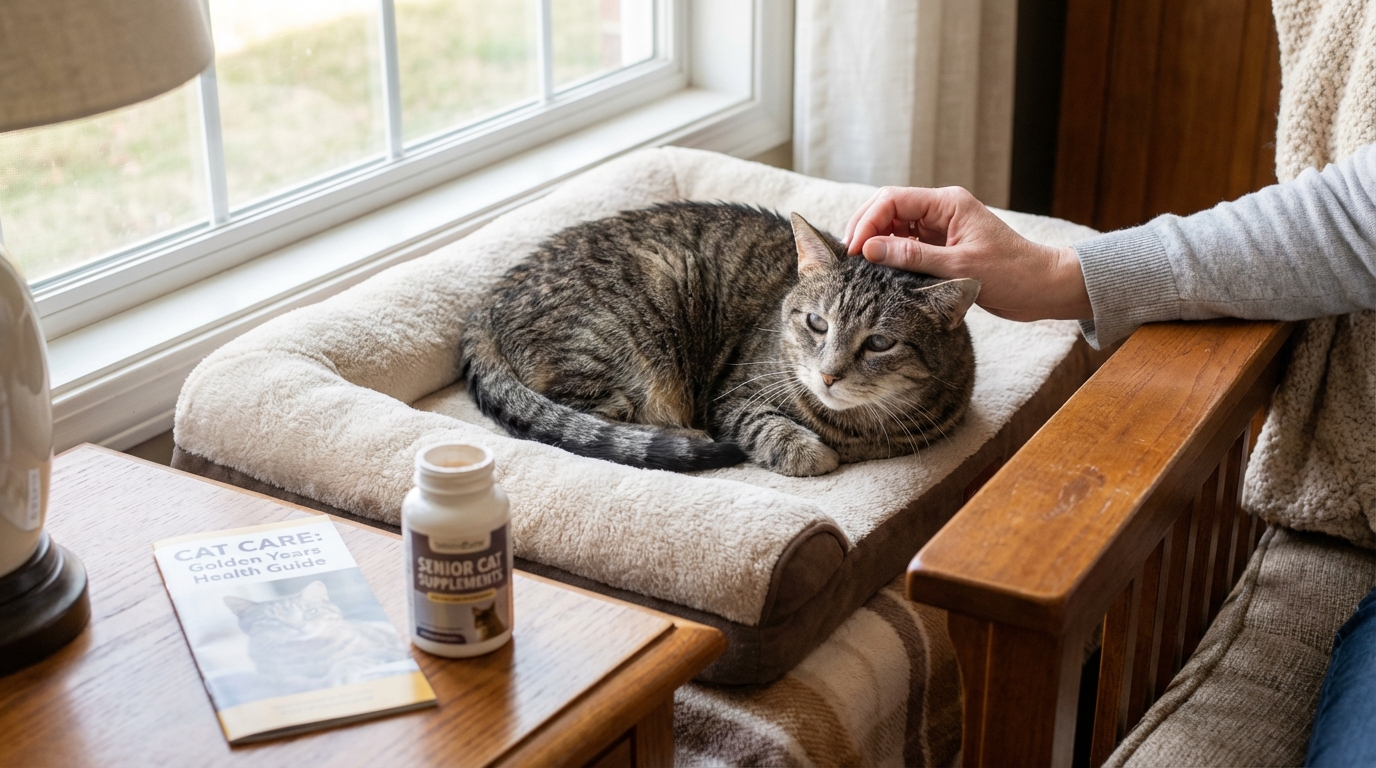
As your cat enters their golden years, the things they once did effortlessly become a struggle. You might notice them hesitating before jumping on the couch. This same stiffness affects how they use the litter box. For a cat with arthritis, a high-sided box—even one designed to keep litter in—feels like a hurdle they just can't clear.
The interesting part is that entry height is far more important than the actual depth of the box. A cat can navigate a deep box once they are inside, but lifting a painful arthritic hip over a five-inch lip is a tall order. This is where low-entry models become literal lifesavers. These boxes are engineered with a "step-in" front that sits only an inch or two off the ground.
If you see your senior cat "missing" the box or standing halfway out while they go, it’s a sign the entrance is too high. Adapting the environment isn't just about comfort. It's about preserving their dignity and your flooring. Sometimes, a simple switch to a box designed for mobility challenges is all it takes to stop "accidents" overnight. It turns a painful chore back into a simple routine.
Imagine your cat, once a graceful jumper, now hesitating at the edge of their litter box. It is a quiet, frustrating struggle. For a feline dealing with the slow ache of arthritis, a standard plastic lip can feel
The Multi-Cat Strategy: Peace, Privacy, and Plenty of Options
Ever wonder why your cats get along great in the living room but turn into tiny gladiators near the litter box? It usually comes down to geography. In a multi-cat home, the bathroom isn't just a place to go. It’s a high-stakes piece of real estate. If you want to keep the peace, you have to follow the golden rule of feline logistics: the N+1 rule.
This simply means you need one more box than you have cats. If you have two cats, you need three boxes. But here is the mistake most people make. They buy three boxes and line them up side-by-side in the laundry room. To a cat, that isn't three bathrooms. It is one giant bathroom that is very easy for a "bully" cat to block. When one cat stands in the doorway, the others are effectively trapped or locked out. This leads to stress, "accidents" on your rug, and general feline resentment.
Think about the size of the box too. Expert Molly DeVoss points out that a box should be at least 1.5 times the length of your cat from their nose to the base of their tail. Most commercial boxes are actually too small. It's like trying to use a bathroom in a cramped airplane. If you have a "high-aimer" who tends to kick litter everywhere, look for something like the Frisco High Sided box. It has 10-inch walls that keep the mess inside without making the cat feel claustrophobic.
For those of us tired of the constant manual labor, technology is finally catching up. Michelle Rae Uy from CNN described high-end self-cleaning boxes as "life-changing" for three-cat households. Models like the Litter-Robot 4 even track your cat's weight and how often they visit. This is huge because a change in bathroom habits is often the first sign of a health issue.
Key insights:
- Location is everything. Spread boxes across different floors or rooms so one cat can't guard all the "facilities" at once.
- Material matters more than you think. Plastic is porous and traps smells over time, but stainless steel pans are non-porous and much easier to keep truly sanitized.
- Accessibility changes with age. A top-entry Modkat box is great for stopping litter tracking, but your senior cat with arthritis will need a low-entry model they can walk into without pain.
When you give them enough space and the right setup, the "aversion" issues usually vanish. It turns out that most "bad" behavior is just a cat trying to tell you their current bathroom situation is a mess.
Frequently Asked Questions
How often should I actually scoop my cat's litter box?
You should really be scooping at least once a day. If you can manage twice, your cat will love you for it. Think about it this way. Nobody likes using a toilet that hasn't been flushed. Cats are incredibly clean animals and their sense of smell is way stronger than ours. When you let waste sit, you're basically asking for trouble. It leads to odors that soak into your walls and can even cause your cat to look for a cleaner spot, like your laundry pile.
Why does my cat suddenly prefer the rug over their litter box?
This is usually a sign that something is wrong. We call this cat litter box aversion. It might be a medical issue like a urinary tract infection, so a vet visit is the first step. If they're healthy, look at the box itself. Is it dirty? Did you change the litter brand? Sometimes the box is just too small or located in a high-traffic area where they don't feel safe. Cats want privacy and cleanliness. If the rug feels safer and cleaner than the box, they'll pick the rug every single time.
Are top-entry boxes safe for cats with mobility issues?
Not really. While top-entry boxes are great for stopping litter scatter, they're a nightmare for cats with arthritis or stiff joints. Imagine trying to climb through a sunroof every time you had to go to the bathroom. It's just not practical for a senior cat or a tiny kitten. For those guys, you want a low-entry model. It makes getting in and out effortless. If your cat is struggling to move, stick to something with a very low front lip so they don't have to jump.
Is a stainless steel litter pan really worth the extra cost?
It absolutely is. Plastic is porous, which is a fancy way of saying it has tiny holes. Over time, your cat's claws create scratches in the plastic. Bacteria and odors move into those scratches and stay there forever. You can scrub all day but that "cat smell" will linger. Stainless steel is non-porous and smooth. It doesn't absorb smells and it's much easier to sanitize. Plus, it won't crack or stain, so you probably won't ever have to buy another one.
How can a robotic litter box help track my cat's urinary health?
These high-tech boxes do a lot more than just scoop. Models like the Litter-Robot 4 come with apps that track how often your cat visits and even how much they weigh. This is a game changer. If you notice your cat is suddenly visiting the box ten times a day instead of three, you'll know immediately. That kind of data helps you catch health issues like crystals or infections before they become a massive emergency. It's basically a 24/7 health monitor.
What is the best unscented cat litter for multi-cat households?
You want something that clumps rock-hard and uses natural odor blockers like activated carbon. Avoid the heavily perf
Conclusion
We usually treat the litter box as a chore to be hidden away in a dark corner of the laundry room. But as we've seen, that plastic bin is actually a vital health monitor and a cornerstone of your cat's mental well-being. Whether you'
About the author
Dr. Emily Hart
Veterinarian, DVM
Small animal veterinarian with 12 years of clinical experience specializing in feline health and preventive care.
Comments(3)
Emma Wilson
2 days agoThis article perfectly captures the essence of the Amalfi Coast. I visited last summer and these hidden coves were absolutely magical!

John Martinez
1 day agoGreat tips! Do you have any recommendations for budget-friendly accommodations in the area?

Sarah Chen
12 hours agoThe food recommendations were spot on. That family-run restaurant in Praiano is incredible!